
Factors Affecting the Performance of Pharmaceutical Blenders and Mixing Equipment
The effectiveness of pharmaceutical blenders and mixing equipment is influenced by a number of variables. The most crucial stage of pharmaceutical processing is blending, which entails two stages: localized blending and broad movement to produce a homogeneous final product. The product type affects the mixing techniques employed in this procedure since some formulations are susceptible to sedimentation or over mixing. Sigma blade blenders, planetary mixers, and ribbon blenders are a few of the mixer types used in this sector.

To ensure the safety and high quality of the finished products, pharmaceutical blenders and mixing equipment specifications must adhere to stringent regulations and industry standards. They ought to be capable of carrying out a range of mixing operations, such as lowering particle size, carrying out chemical reactions, and adjusting rheology. They also need to be developed with a high level of safety and repeatability. Because of this, it is crucial to select the right mixer for your particular application.
Consider the variety of mixers that are available before making your purchase. The blender that satisfies your specifications and the strictest safety regulations will be the finest option for your needs. It should be simple to charge, unload, and clean, and should be capable of handling the ingredients in dry powder. Any pharmaceutical blenders and mixing equipment must have this component. In order to achieve optimal effectiveness, you should select the appropriate equipment for your application.
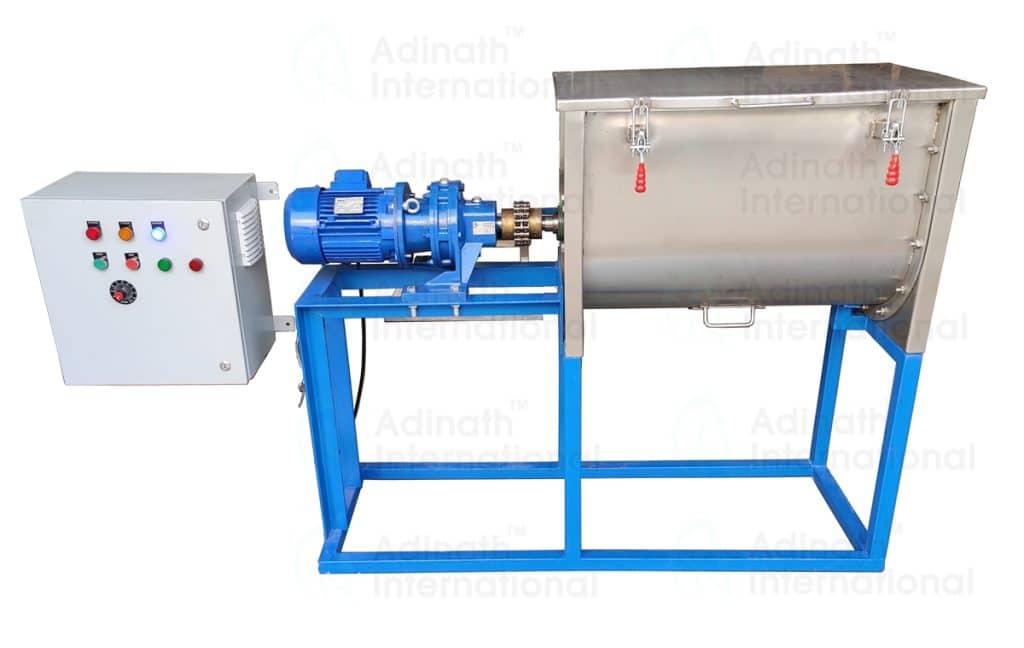
Pharmaceutical mixers and blenders must adhere to stringent guidelines established by the FDA and the European Economic Area (EEA). To be sold in Europe, they must adhere to health and safety regulations. To safeguard the health and safety of European consumers, the FDA mandates that their products comply with the Restriction of Hazardous Substances (RoHS). You cannot use the machine in any of these markets if it does not adhere to FDA guidelines.
A pharmaceutical mixer typically features a cylinder and a paddle-like paddle and is constructed of stainless steel. This mixer provides a variety of mixing options and can be used to combine dry or wet ingredients. A cylinder and a paddle in a multi-directional motion mixer can move in many directions. For this, a rotational drum is employed. In pharmaceutical mixers, a rotating blade is an additional alternative. Additionally, several of these devices can be modified for unique uses.
To mix various chemicals, many types of pharmaceutical mixers are employed. Some of them have stainless steel construction, which is simpler to keep clean. Some of the priciest ones have a lot of features and are really difficult to operate. Additionally, these gadgets can aid in the preparation of pharmaceuticals. They can also speed up and improve the effectiveness of the mixing process. They can be tailored to meet certain requirements and are compatible with different varieties of mixers.